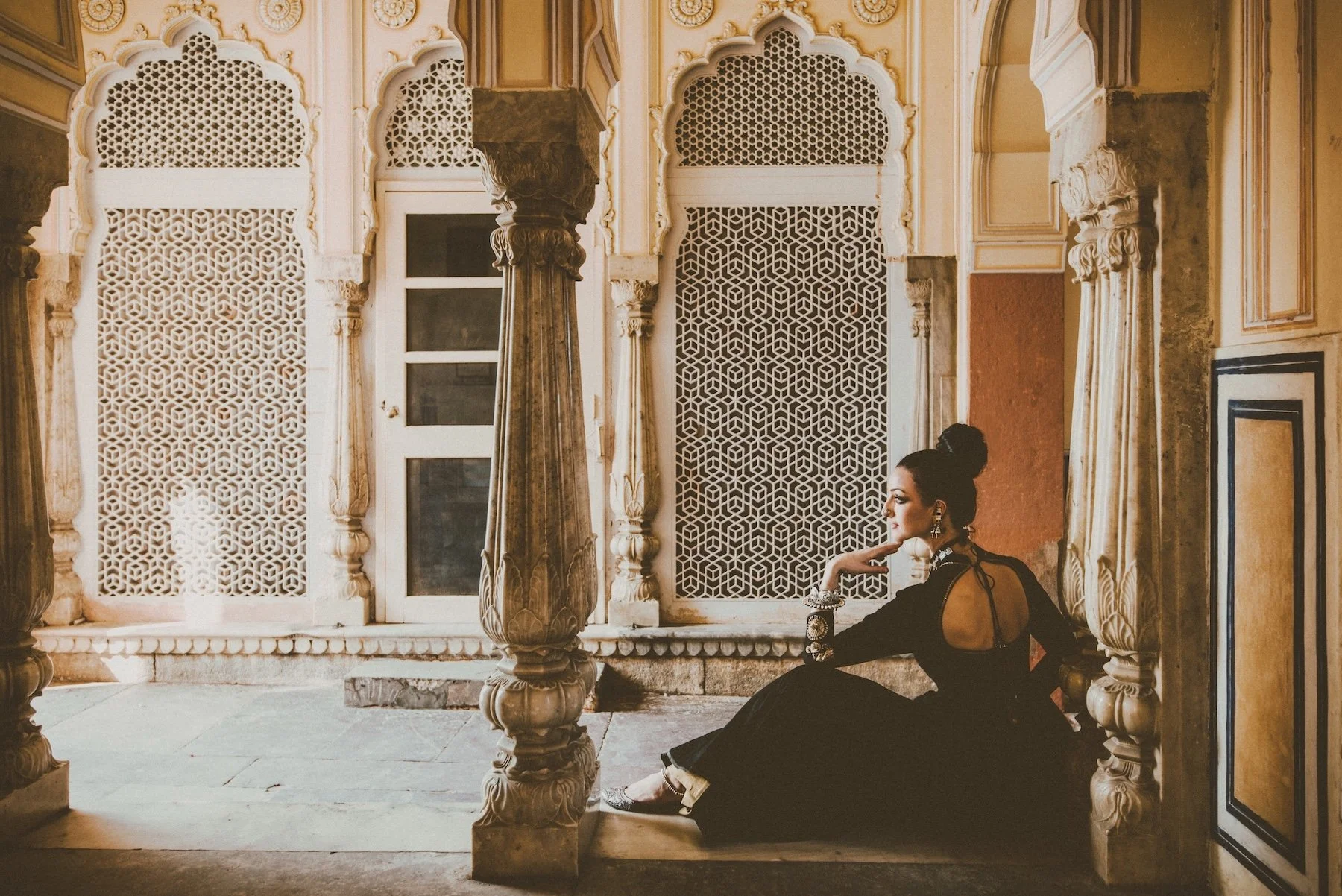

Move Deeper

Welcome to
Shakti School of Dance
founded by Colleena Shakti

Colleena Shakti has dedicated her life to dance ever since moving to India for rigorous apprentice-style dance training in 2001. Extensively trained in Odissi classical dance under Smt. Sujata Mohapatra and well-versed in many styles of classical, folk and contemporary dance from India and beyond, Colleena lives an artistic path steeped in rich tradition. Yoga and related aesthetic philosophies are an integral part of her holistic vision of art inspiring her to bridge timeless values with modern expression.
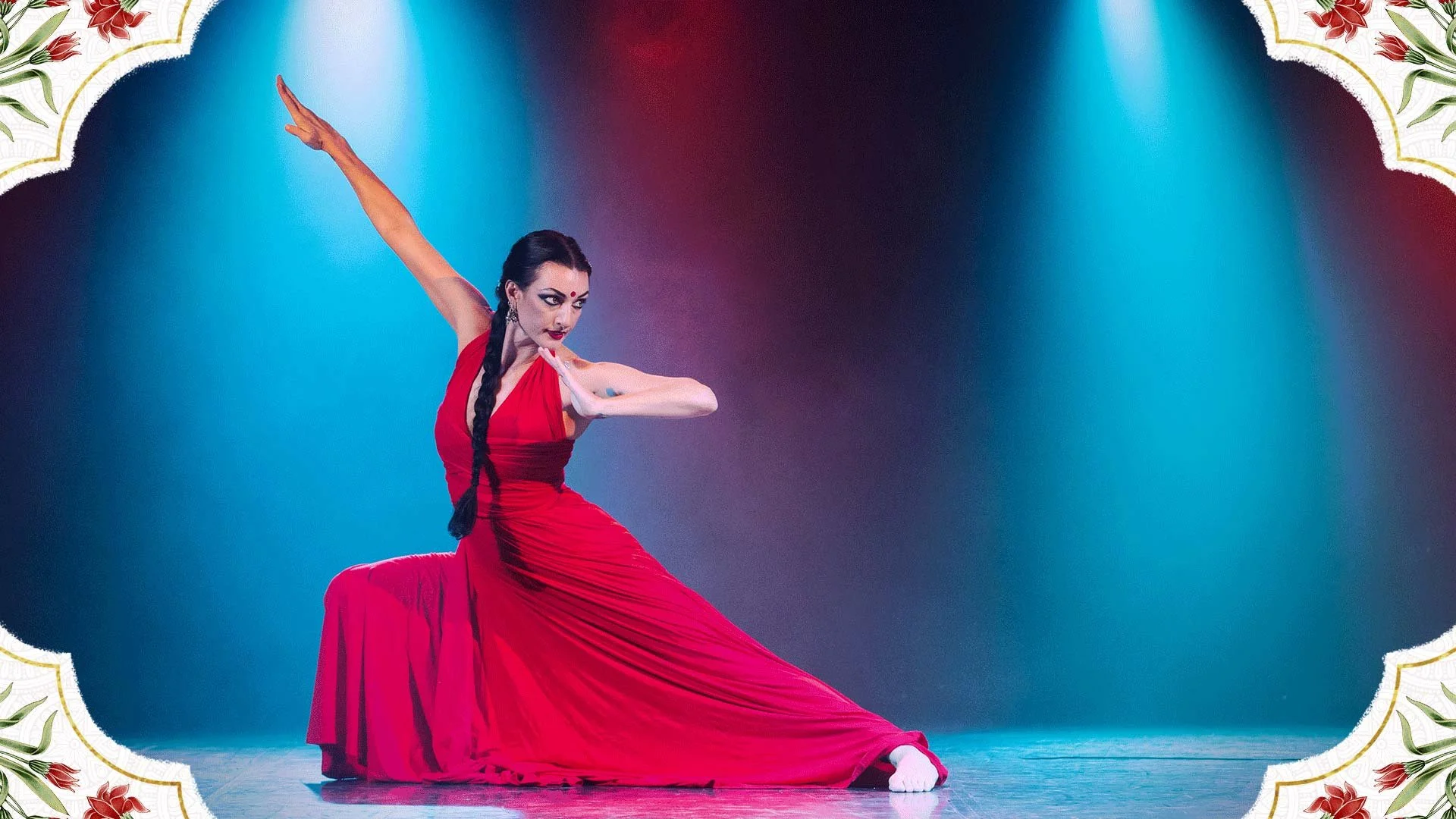
Performing Artist

SHAKTI SCHOOL OF DANCE India
A school for the study of Indian Art & Culture: Indian Classical and Folkloric Dance, Contemporary Fusion Dances and Yoga

VILLA SHAKTI CRETE Greece
Hosting Summer Dance Residencies with artists from around the world in the pristine nature of the island of Crete

NAKARALI JEWELRY Designer
Colleena has developed her own unique stylizations and methodologies from the solid training base she received from her Gurus in Dance, Theater, Natya Shastra Karana, Yoga and Martial Arts of India. Respectfully distinguishing between tradition and her contemporary fusions, she finds a balance through deep understanding of underlying philosophies that give rise to the Indian aesthetic. Her academic research includes extensive investigation in folk dances of Rajasthan, as well as Natya Shastra - India’s ancient text on art/theater theory.
Colleena is currently based between India and Greece, and often tours internationally for collaborations, performances and immersive trainings. In Rajasthan she directs Shakti School of Dance in the Old Rang Nath Temple Pushkar and works with folk artists to promote traditional Rajasthani dance and music, while in Summer months she hosts dance residencies and yoga immersions at Villa Shakti Crete - an art sanctuary in nature she created with her husband.


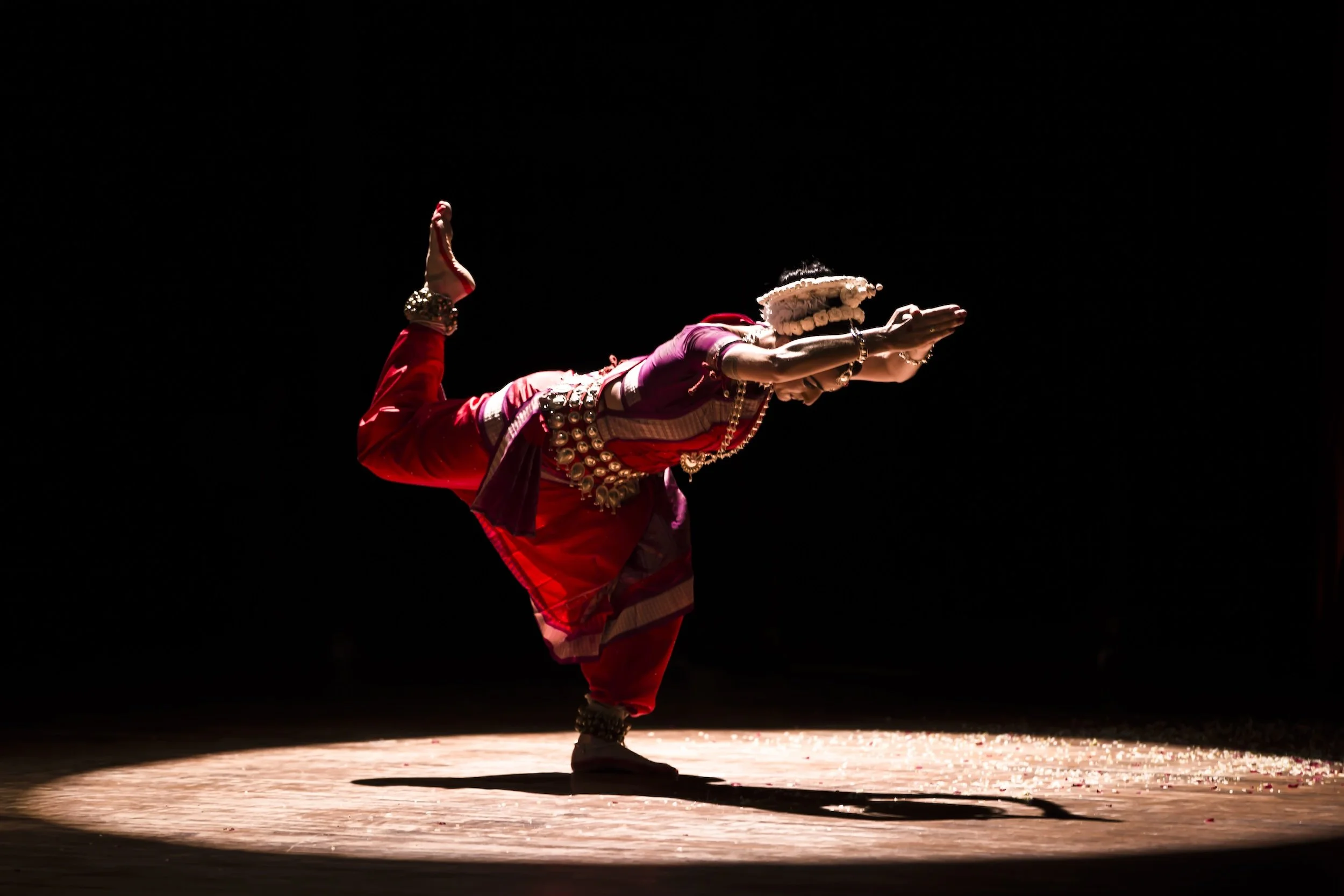
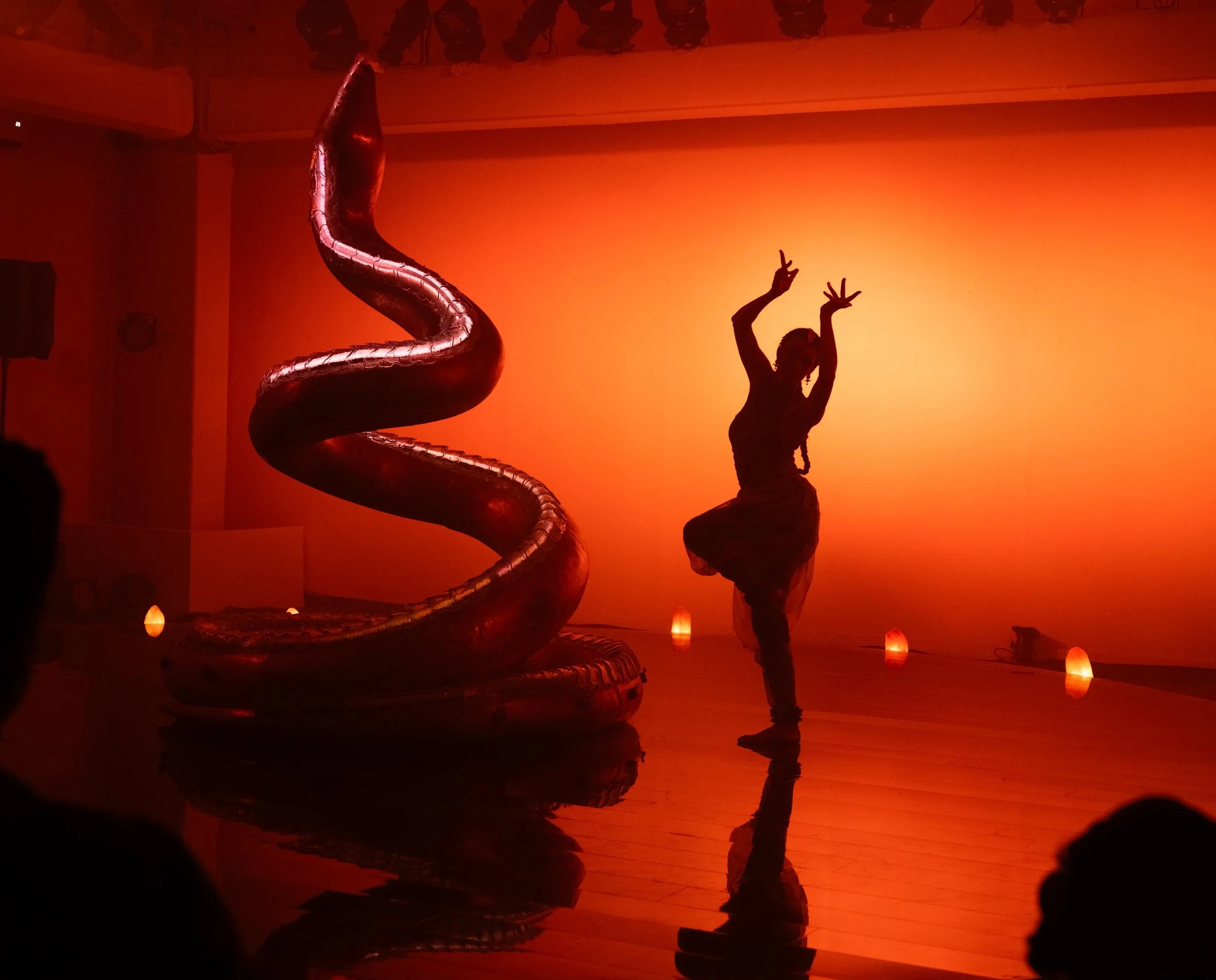
Tradition. Innovation.
“Colleena’s practice embodies the intersection of devotion, tradition and innovation.”