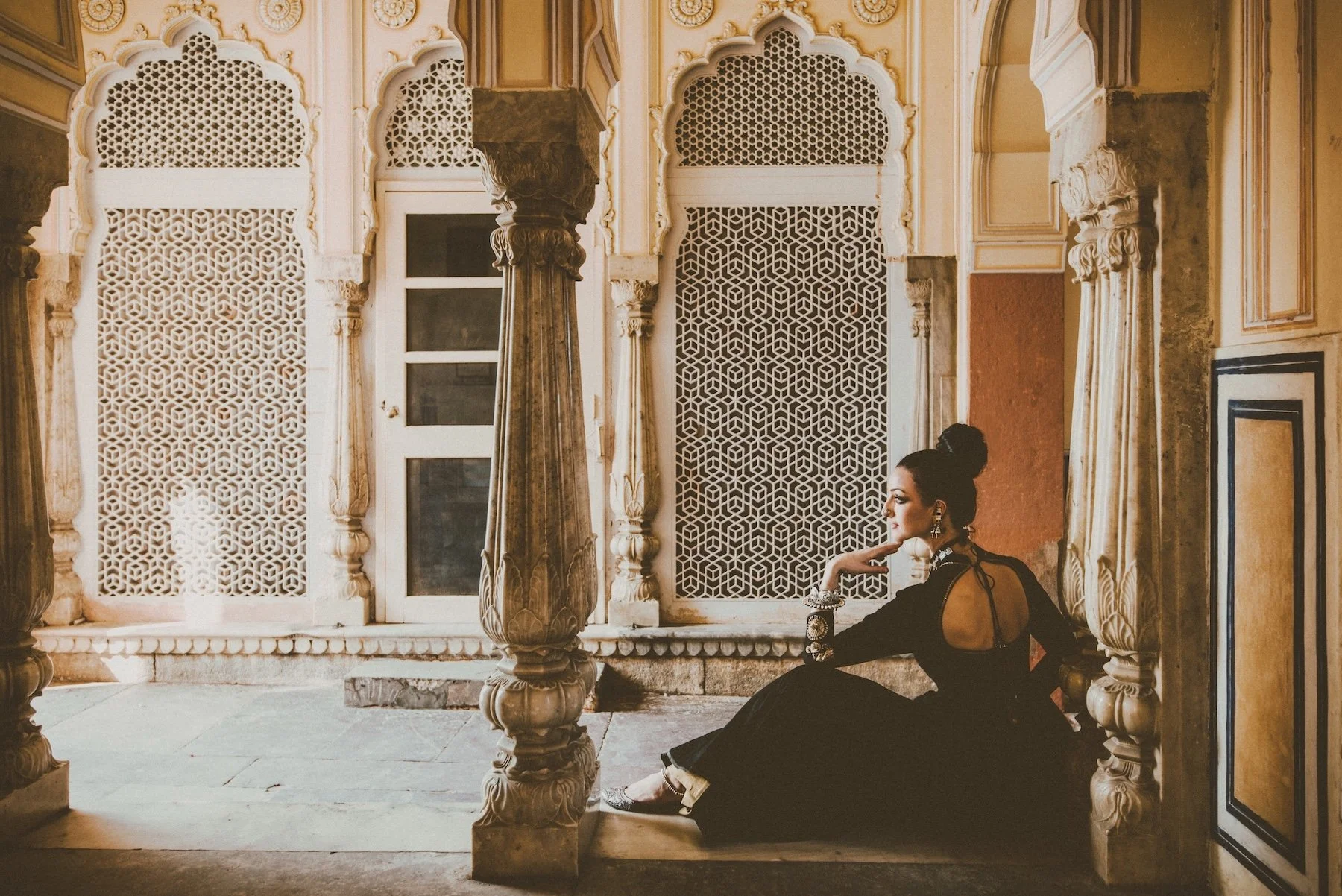

Khalbelia ‘Gypsy’ Dance
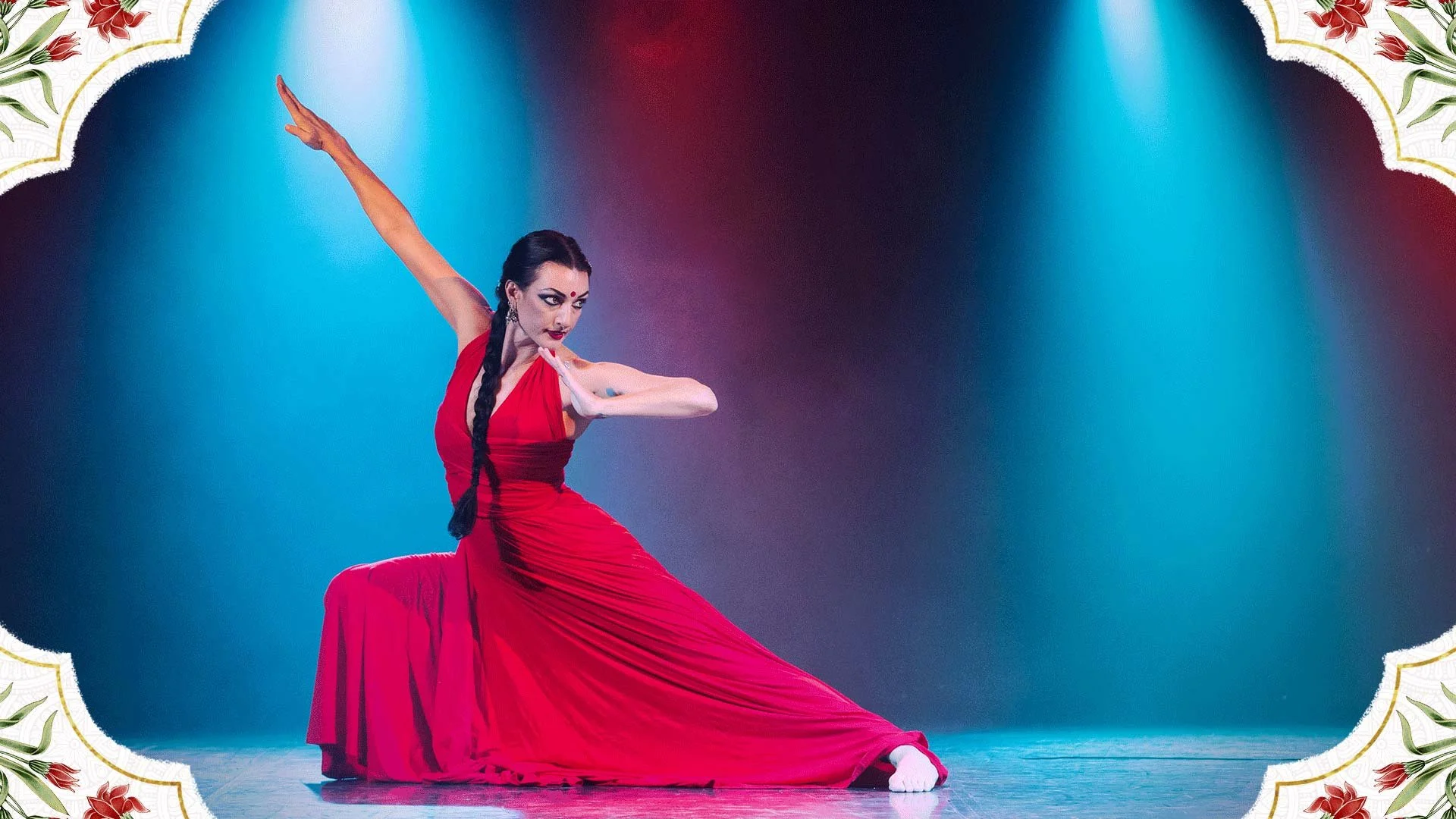
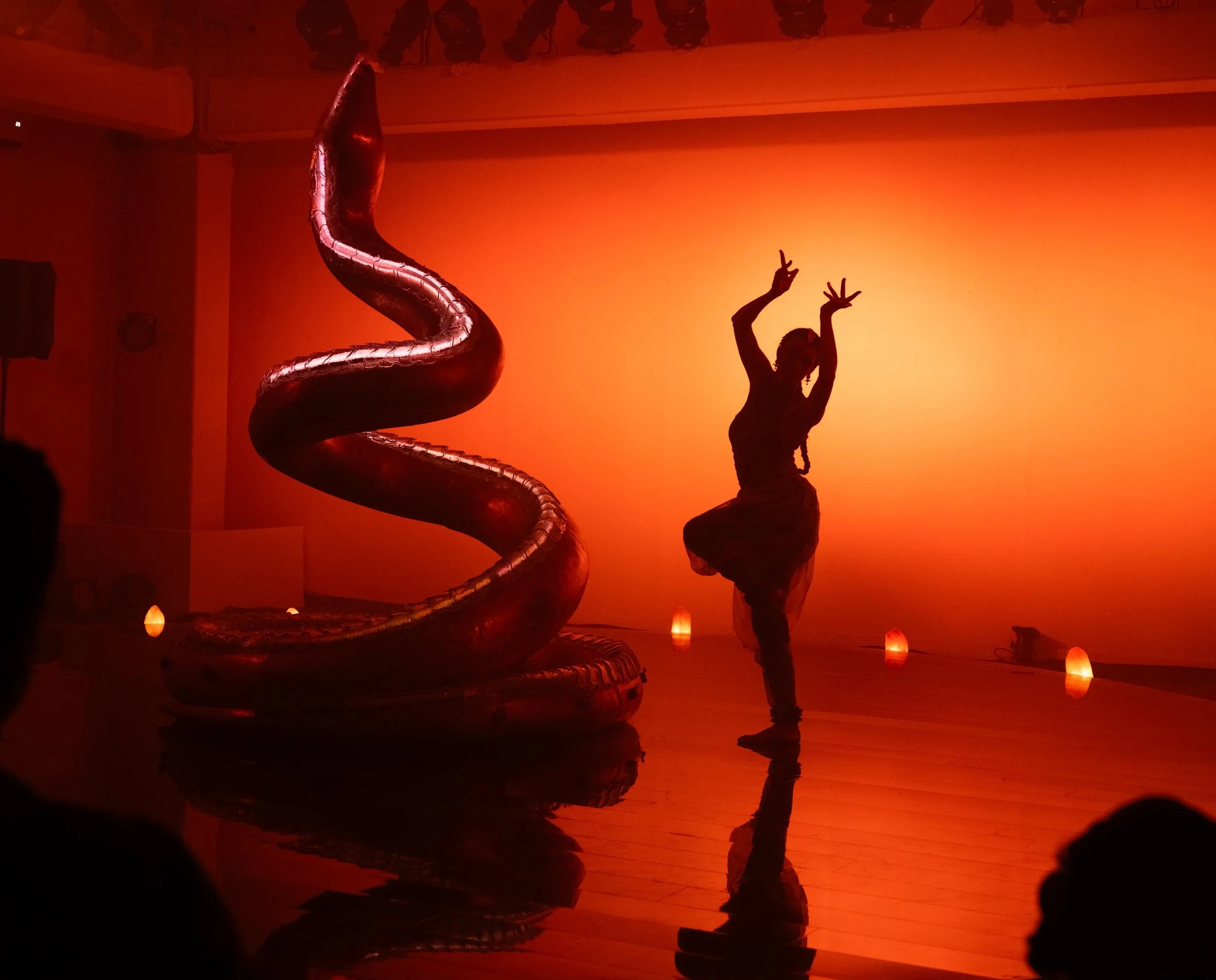
The Khalbelia people of Rajasthan are in fact not "Gypsy", their story is a fascinating tale of a Guru handing them their destiny to become the snake charmers of India. The Khalbelia dance is one of the most loved dances of Rajasthan, India. It's wild and passionate movements hold people captive much like watching the cobra dance to the snake charmers flute. It is because of their semi-nomadic lifestyle and passionate dance style, they have been labeled 'the Gypsies of Rajasthan'.

Colleena was the first outsider to go so deeply into the Khalbelia culture to find the origins and symbolism in their dance and lifestyle. Pioneering a way to convey this tribal dance, Colleen drew from her experiences in daily life with the Khalbelia as well as techniques from other Indian folk and classical dances to create a vocabulary that is easy to share with those who are not born into the dance tradition. Countless students from around the world have come to her school in Rajasthan and taken her workshops in various styles of dance to experience her thorough manner of teaching both the movements and cultural context from which the dance come.

Workshops vary in content so as not to repeat previous material covered.

Khalbelia ‘Gypsy’ Dance ONE:    
 
In the workshop we discuss Khalbelia traditions and culture, namely those expressed through dance, the importance of dance in Khalbelia Gypsy society. Colleena will be presenting photographs, sharing stories and answering questions followed by dance technique and some meanings behind the Sapera dance movements. We will focus on rhythmic footwork, hand positions, facial expression and spins to give everyone a fundamental understanding of this beautiful style, which is featured in the film “Latcho Drom."

Khalbelia ‘Gypsy’ dance TWO - A deeper look at Khalbelia dance
In this workshop we explore the subtleties of the dance movements like timing and emphasis points. Colleena will discuss regional style difference as well as generational style difference giving some perspective on the amount of variety within this dance. The barrel turn will be broken down and other variety of spins to add to your improvisational dance.      
             
To arrange a workshop in your area, or for private lessons, please contact colleenashakti@yahoo.com


Ghoomar Dance
Elegant whirling dance of the royal Rajput women of Rajasthan.

Ghoomar dance is traditionally done by the women of the Maharaja’s court for the celebration of Gauri Puja. Women would dance together in front of a statue of Lord Shiva and Parvati within the Haveli, far from the eyes of men. Today it is a popular folk dance seen at weddings and festivals, and often hypnotically danced into the late hours of the night. Swaying movements are enhanced by the brightly colored veils and skirts flaring out as the women twirl in circles. This is an elegant group dance with beautiful hand gestures and small hip movements. This workshop is designed for beginners and is and excellent introduction to more difficult dance of the Khalbelia Gypsies. Wearing a large dance skirt is recommended.

To schedule a workshop in your area, please contact Colleena at colleenashakti@yahoo.com
Please check with the calendar for workshop dates.


Rajasthani Dance

Contemporary combinations from tribal roots!

Rajasthan is a state in Western India rich with colorful folk dances. From the Khalbelia ‘Gypsy’ snake-charming dance to the delicate Ghoomar, Rajasthan’s folk dances are often borrowed from to create Bollywood’s exciting film dances. In this workshop we will use traditional movements in Rajasthani dance to create new combinations that can easily fuse into your Belly Dance. We will focus on a choreograph as we break down the movements and discover new techniques for spins and hand positions. A large skirt is recommended for this workshop.

To schedule a workshop in your area, please contact Colleena at colleenashakti@yahoo.com
Please check with the calendar for workshop dates.


Odissi Dance
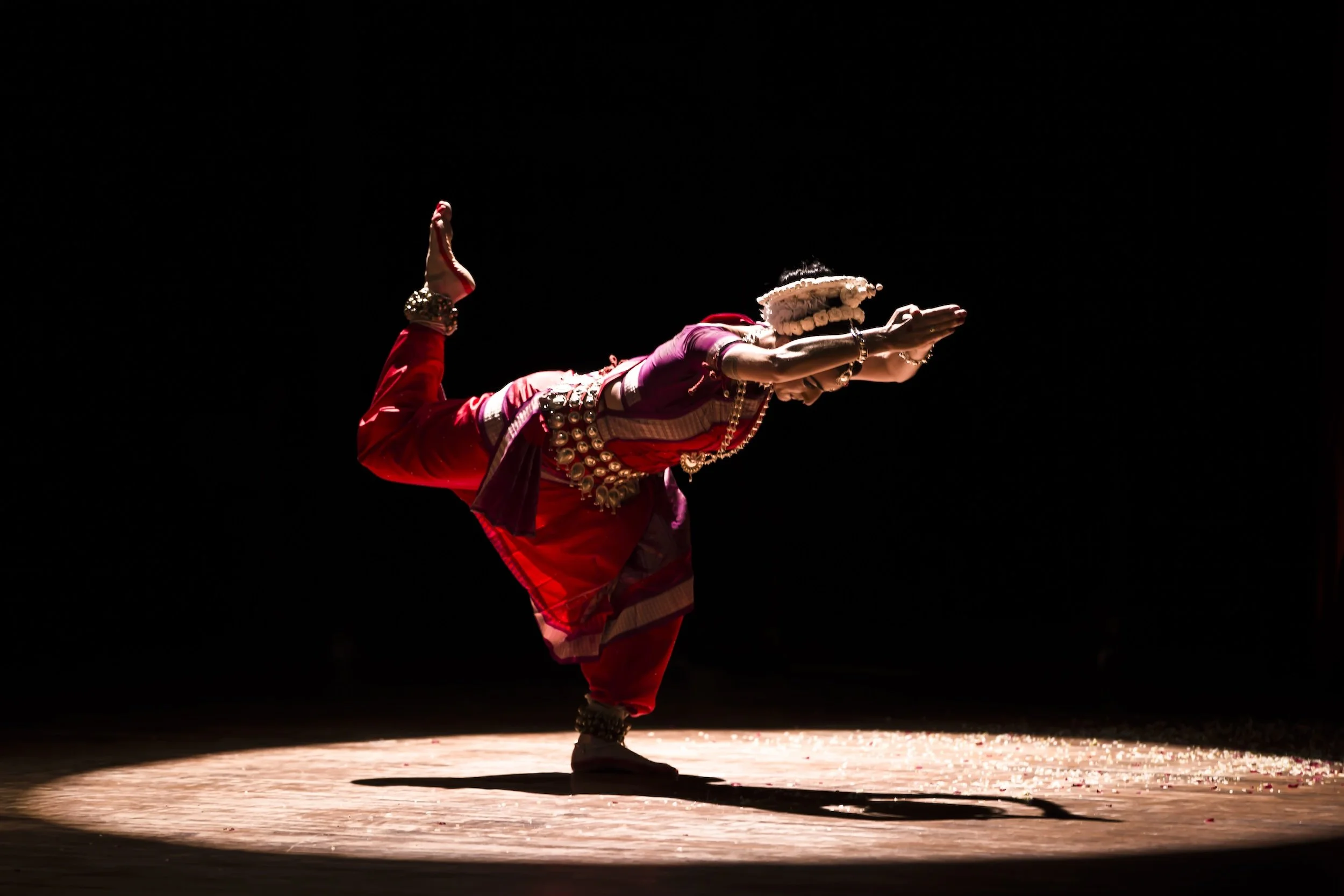
To watch Odissi is to watch an ever-changing landscape through gentle reflective moments, into moments of passion and uproar. It is thrilling and touching to observe, but for the dancer the landscape goes deeper yet. Odissi’s history springs from the temple dancers (devadasi's) of East India; it is truly a tool of surrender, a moving meditation, a yoga dance. Odissi is recognized for it’s curvature and feminine movements. When mastered, the dancers mind is relaxed and focused on one thing- God, even while performing an extremely complex dance. Layer upon layer of detail is added to the dance: footwork, mudra (symbolic hand positions), movements of eyes and facial expression. The storytelling aspect of the dance creates a vivid insight of devotional stories, brought to life by energy channeled through the dancer. This devotional dance has been passed from guru to student for thousands of years making it the oldest known classical dance.       
             
Introduction to Odissi:
Classical Indian Dance from the Temples of East India (2.5 hour class):
This is an introductory course covering the basic elements of this form. We work on exercises to develop balance, layering body movements and executing clear eye movements. The 2 basic positions of Odissi (Choka and Tribungi) will be explored as well as mudras and a short choreographed piece.

Introduction to Odissi Classical Dance Choreography:
In this workshop we go beyond the basic stepping exercises and learn about what goes into classical dance choreographies. The aspect of Abinaya (expression and storytelling) is introduced. Aesthetic and ‘bhava’ (subtle feeling) are explored in this class through a short sequence.          
               
Classical Indian Mudras and Eye movement:
The subtlety of eye movement and delicate hand postures are some of the details that make Indian classical dance so rich. We go into a basic vocabulary of mudras and eye movements from the ‘Natya Shastra’ and exercises that will help develop needed strength in your hands as well as eyes. Finally we will learn how to use mudra and gaze in still poses and dance. For dancers of any style, this workshop helps you to explore new possibilities in the quality of your dance.

Temple Dance History:
This is a lecture that transpires into dance poses found in temple carvings and finally movements from Odissi choreographies. We recount the fascinating history of Devadasis (women dedicated to the temple) and discover the spiritual significance of Odissi dance as an active means of worship. A fascinating glimpse into 2,000 years of dance in praise of the Gods. (Can include demonstration)

One Day Odissi Intensive Workshop:
Part 1:
  • Vedic theories in movement and meditation (Yoga asana warm up, Sanskrit prayers)
  • Odissi exercises (Muscle toning and balance)
  • Stepping exercises in Choka and Tribungi poses (5 stepping exercises)
Part 2:
  • History of Devadasis and the evolution of Odissi dance
  • Classical Indian dance theory (Mudra, eye movements and music theory)
  • ‘Thirteen poses’ (This section is designed to teach students about the Hindu Gods and Goddesses and evoke deeper meanings beyond the symbolism. Classical temple dance poses in the Tribungi position will also be taught.)
Weekend Odissi Intensive Workshop (2 days):
(Same daily schedule as listed above in the One Day Intensive with the addition of:
  • Going much deeper into all topics, giving students a more extensive understanding of information presented.
  • Learning a short piece of choreography the second day.
Monthly Intensive Training at Shakti School of Dance - India:
(Nov- April) taught by Guru Padma Cheran Dehuri and Colleena

Fulltime enrollment in Shakti School of Dance:
(Inquire about scholarship opportunities for fulltime enrollment)          
To schedule a workshop in your area, please contact Colleena at colleenashakti@yahoo.com
Please check with the calendar for workshop dates.

Instructional videos available
Workshops and ongoing classes through Shakti School of Dance in Rajasthan, India. Learn More>>


Indian Arabic Fusion Belly Dance

Arabic Indian Fusion Belly Dance (Series 1):
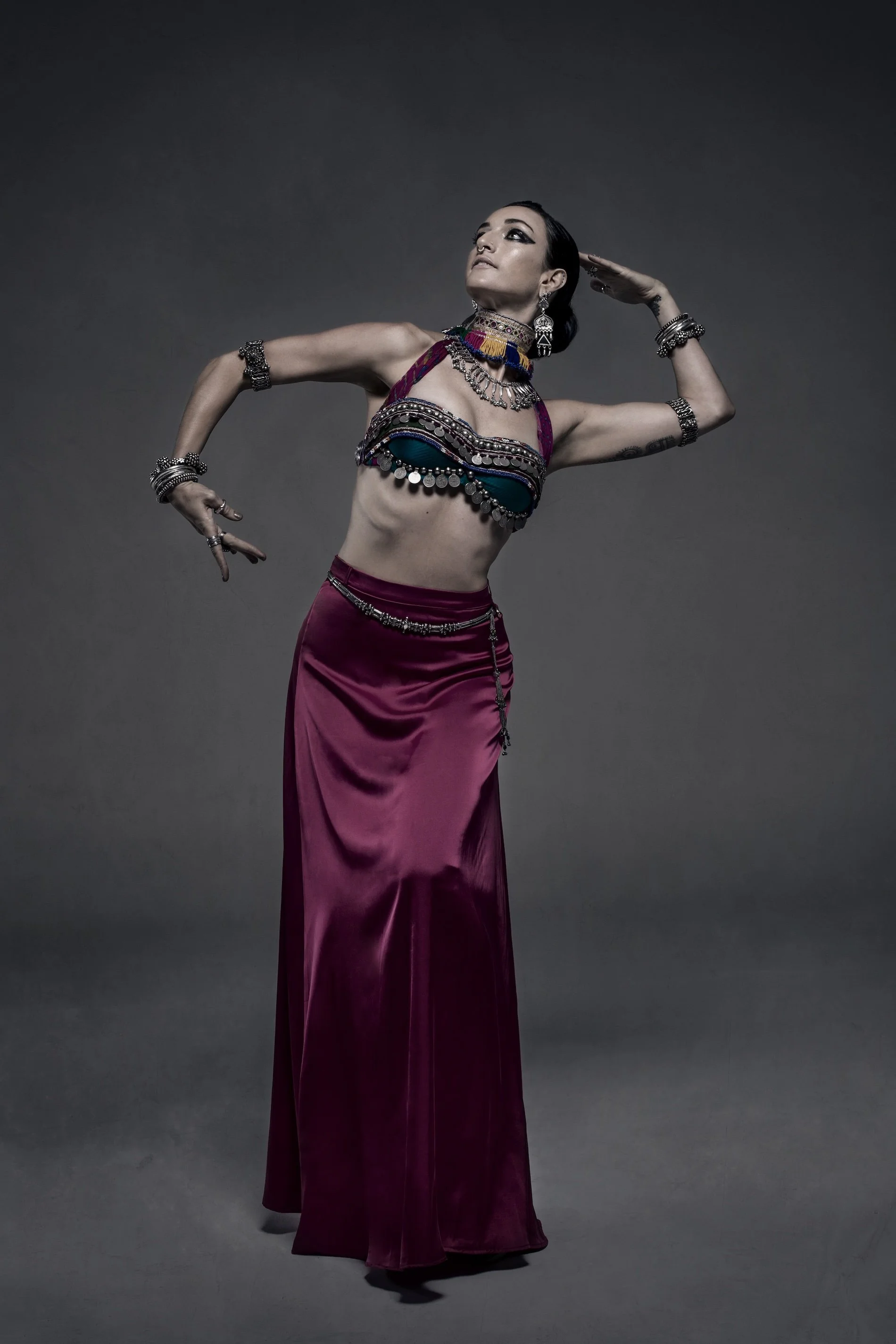
With the goal of becoming a more grounded dancer, Colleena introduces her methodology and approach to dance. Strength and flexibility are essential for dancers who wish to take dance to a higher level, this is achieved through yoga and classical Indian dance techniques. Colleena instructs students on a set of daily exercises that develop the body for dance and healthier living. Defining movements and stylizations, which create this dance form, will be introduced such as: Subtle eye and head movements, new hand positions (mudra), gaze/focus, spins, powerful transition steps and beautiful temple dance poses which melt into fluid Arabic movements.      
             
Choreography in Indian Arabic Fusion Belly Dance style (Series 2):
These workshops work more specifically on transitions expressed in choreography. Techniques of each movement and pose are explained thoroughly, though it is recommended to begin with Series 1. The classes begin with methodology and exercises, then move into drills on timing and rhythm.      
             
Cultivating Shakti in your Dance:
Techniques to improve dynamic energy in your dance and feel more vibrant in your performance. We will explore Vedic (Yoga) techniques for dancers in India from ancient times including breath techniques, stretches and strengthening exercises as well as meditation techniques and more. This is a fascinating look inside of ourselves; work that every performer must do to deepen their art. I use many techniques from Odissi classical dance and from intensive yoga practice.      
                   
To schedule a workshop in your area, please contact Colleena at colleenashakti@yahoo.com

Please check with the calendar for workshop dates.